Danville Sub-Zero Repair

Symptom diagnosis · Danville

Sub-Zero freezer not freezing in Danville

A freezer that has gone soft while the refrigerator beside it still feels cold puzzles a lot of owners — but on a built-in Sub-Zero it is a logical, fixable pattern. The frost on the back wall, or the lack of it, tells you most of the story.

4.9/5 · 1,101 verified customer reviews

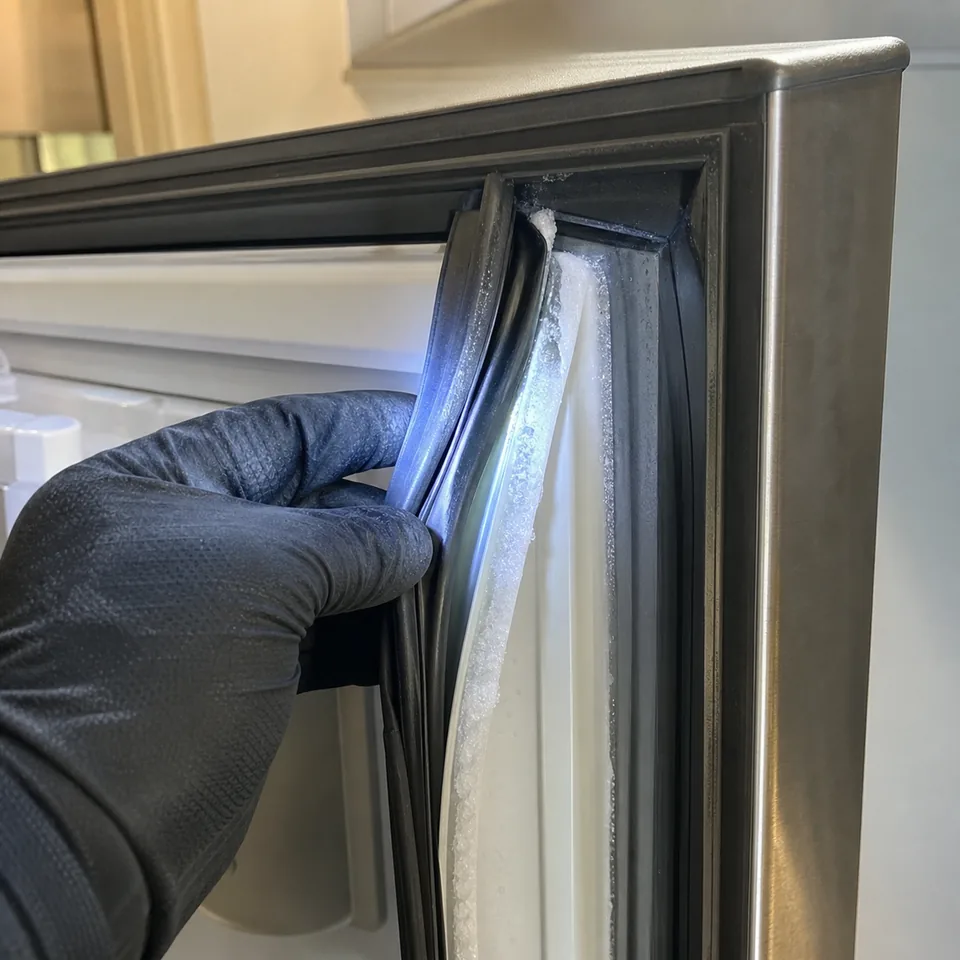
Checking the freezer door gasket and frost pattern on a warm built-in Sub-Zero in Danville

The first thing to understand is why one half of a Sub-Zero can fail while the other works perfectly. Most built-in columns and side-by-sides here use a dual-evaporator system — two separate cooling coils, one for the fresh-food side and one for the freezer, each with its own airflow. Those dual-zone column installs are especially common in the larger Blackhawk and Diablo estate kitchens, where a tall freezer column often stands beside its own refrigerator column. When the freezer drifts warm but the fridge stays cold, that independence is the explanation, not a coincidence.

The second thing is that the valley climate raises the stakes. Danville's hot, dry summers under Mt. Diablo's rain shadow increase how hard a freezer has to work to pull down, so a marginal defrost system or a tiring gasket that might limp along near the coast fails outright here on a string of 95-degree afternoons. The good news is that the most common causes are bounded, diagnosable, and worth repairing on a unit built to run for decades.

What a warm freezer usually means

Read the cabinet before you read the price

Frost on the back wall — a defrost fault

If the freezer is warm but you see a sheet of frost building on the rear interior panel, the automatic defrost system has likely failed. The evaporator coil is icing over until air can no longer pass through it, so the cabinet warms even though the compressor runs. On long-serving 600-series built-ins around the Westside this defrost-heater or sensor failure is the single most common cause.

No frost, just warm — airflow or the sealed system

A freezer that is warm with no frost at all points elsewhere: a stalled evaporator fan not moving cold air, a control fault, or — least often — a sealed-system problem that needs gauges. Reading the frost pattern is how a technician sorts a $200 fan from a major repair before quoting anything.

A tired door gasket or a blocked vent

Heat hardens a door gasket, and a hardened seal lets warm room air bleed into the freezer continuously — enough, on a 95-degree Danville afternoon, to keep it from holding zero. Stacked food blocking the internal air vents does the same thing by starving the cabinet of circulated cold air.

Why the freezer can fail while the fridge is fine

Most built-in Sub-Zero columns and side-by-sides use a dual-evaporator design — separate cooling coils for the fresh-food and freezer sides. That is why the freezer can go warm while the refrigerator still feels cold: the two halves cool independently, so a fault on the freezer evaporator does not touch the fridge.

· first checks

What to check before you call

  1. Confirm the freezer is genuinely warm. Put a thermometer in the freezer for a couple of hours. A true freezer should hold around 0°F; the fresh-food side around 37°F. A freezer drifting to the teens or higher confirms a real fault rather than a door left ajar.
  2. Read the frost pattern. Empty the freezer floor and look at the rear interior panel. Heavy frost or an ice sheet there points to a defrost failure; a bone-dry, frost-free panel points to airflow, fan or sealed-system causes.
  3. Check the door seal and the vents. Close the door on a slip of paper at several points around the gasket — if it pulls free with no drag, that section has hardened. Then make sure stacked food is not blocking the internal air vents that feed cold into the cabinet.
  4. Clean the condenser and give it time. A dust-loaded condenser starves both compartments. Vacuum the coil behind the lower grille, then leave the door shut and give the freezer several hours to recover before deciding it has not improved.
  5. Note the model and book if it stays warm. If the freezer still will not hold temperature, record the model and serial and whether you saw frost. That tells us to bring a defrost kit, a fan motor, or sealed-system gauges rather than guessing on arrival.

· when to call

When it is time for a specialist

If the freezer still drifts warm after a coil cleaning and a few hours with the door shut, or if you found heavy frost on the rear panel, the unit needs a defrost diagnosis rather than more waiting. A frost-free but warm freezer that does not recover points to the fan or the sealed system — both of which need a meter and gauges to call correctly.

Our $89 diagnostic goes toward the repair, and we read the frost pattern, the fan, the seals and the system pressures in order so the quote is tied to what actually failed. If the diagnosis lands on a major sealed-system repair on an older unit, we will put the numbers in front of you and walk through repair versus replacement honestly before you decide.

· FAQ

Warm-freezer questions

Why is my Sub-Zero freezer warm but the refrigerator still cold?

Most built-in Sub-Zero units are dual-evaporator, meaning the freezer and fresh-food sides have separate cooling coils. A fault on the freezer evaporator — usually a defrost failure or a stalled fan — leaves that side warm while the refrigerator keeps cooling normally on its own coil.

There is a lot of frost on the back of my freezer — what does that mean?

A sheet of frost on the rear interior panel is the classic sign of an automatic-defrost failure. The evaporator ices over until air cannot pass through it, so the cabinet warms even while the compressor runs. The fix is usually a defrost heater, sensor, or control component, not a full sealed-system repair.

Could Danville's summer heat be why my freezer can't keep up?

It contributes. The valley's hot, dry afternoons raise the pull-down load on a built-in, and a hardened door gasket or a dust-packed condenser turns that extra load into a freezer that drifts warm. We check airflow and seals first because those are common, inexpensive causes here.

Is a warm freezer worth repairing on an older Sub-Zero?

Usually yes. Defrost components, fans, gaskets and sensors are bounded repairs on a brand built to last twenty years, and replacing an integrated built-in means cabinetry work. We will show you the readings; only an older unit facing a major sealed-system bill makes replacement worth weighing. See our repair-vs-replace page for the full picture.

Freezer losing its chill? Let's diagnose it.

Tell us whether you saw frost and the model number, and you will get a clear price before any work begins.